Fork and Knife: A Designer's Review for Kitchen Embroidery
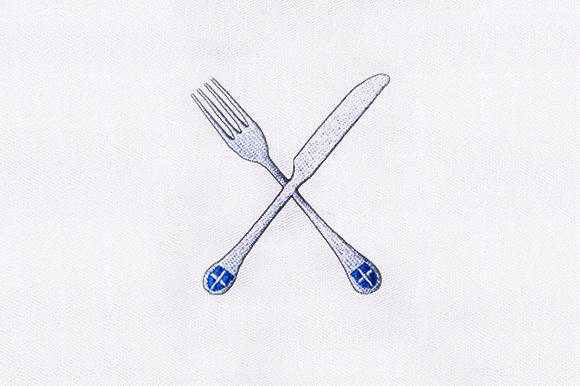
When I first pulled up the Fork and Knife design on my screen, I wasn't looking for flashiness. As someone who spends hours hooping fabric and trimming jump stitches, I look for utility and clean execution. This design lands squarely in the Kitchen category, but its application goes far beyond just dish towels. The initial impression is one of classic simplicity. It avoids the trap of over-complicating a universally recognized symbol. In the world of machine embroidery design, sometimes the most effective assets are the ones that speak clearly without shouting.
The visual personality here is versatile. It feels at home in a rustic farmhouse setting just as easily as it does in a modern, minimalist bistro branding package. The layout suggests a balanced composition, likely relying on the interplay between the tines of the fork and the blade of the knife to create negative space. For an Etsy seller or a craft business owner, this kind of neutrality is gold. It allows the end-user to project their own style onto the finished product without fighting against a overly specific aesthetic.
Real-World Application: The Custom Apron Project
To truly evaluate this embroidery file, I imagined a specific real-life scenario: a custom order for a local cooking school needing branded aprons for their weekend workshops. The client wanted something professional yet approachable. Fork and Knife fit this brief perfectly. When stitched onto a heavy cotton twill apron, the design needs to hold its shape under frequent washing and potential food stains.
In this context, the design's clarity becomes paramount. If the stitch density is too low, the white threads might show through on dark navy fabric, ruining the crisp look. If the density is too high, the fabric could pucker, making the apron uncomfortable to wear. A well-digitized version of this motif should utilize a combination of satin stitch for the outlines to give a sharp, defined edge, and perhaps a subtle fill stitch for the bodies of the utensils to ensure durability. The result should be a handmade product that looks manufactured in its precision but retains the charm of being individually crafted.
For small shop product lines, this design also shines on tote bag designs. Imagine a reusable grocery bag made of canvas. The Fork and Knife motif serves as an immediate visual cue for the bag's purpose. It elevates a simple utility item into a piece of custom apparel or accessory that customers actually want to carry. The recognition factor is instant; there is no learning curve for the consumer, which drives buyer engagement.
Navigating Fabric Textures and Hoop Constraints
However, no design is without its challenges, and a responsible reviewer must point out where caution is needed. While Fork and Knife appears straightforward, its performance depends heavily on the substrate. On textured fabrics like waffle weave tea towels or looped terrycloth, fine details can get lost. The tips of the fork tines or the point of the knife might sink into the loops of the towel, blurring the definition. In these cases, I would recommend increasing the pull compensation or choosing a slightly larger version of the design if the hoop size permits.
Stretchy fabrics present another hurdle. If you are attempting sweatshirt embroidery with this motif, the stability of the garment is key. A design with long, straight runs—common in cutlery illustrations—can cause tunneling if not properly stabilized. Using a cut-away stabilizer rather than tear-away is often the safer bet for items that will be worn and washed repeatedly. This ensures the stitch density remains consistent over time, preventing the design from warping after the first few laundry cycles.
Furthermore, consider the hoop limitations. If you are working on a curved surface like a cap, the available stitching area is restricted. You must verify that the specific file format you purchase fits within your machine's cap frame capabilities. Since this product offers a wide array of formats including DST, PES, JEF, and XXX, compatibility is generally high, but always check the dimensions against your specific hoop before committing to a production run.
Enhancing Brand Value and Customer Trust
The choice of embroidery asset directly impacts perceived value. A sloppy, poorly digitized kitchen icon can make a boutique brand look amateurish. Conversely, a crisp, clean execution of Fork and Knife signals professionalism. It tells the customer that attention was paid to the details. This builds trust, which is essential for commercial embroidery projects where reputation is everything.
For those creating digital embroidery file packs or printable mockups, the versatility of this design allows for diverse marketing materials. You can showcase it on a variety of backgrounds—from linen napkins to denim chef coats—demonstrating its adaptability to potential buyers. The ability to swap thread colors easily means one design can serve multiple seasonal campaigns. Think silver and black for a modern holiday look, or pastel greens and yellows for a spring-themed baby embroidery project on a bib or burp cloth.
Practical Notes for the Working Designer
Before integrating Fork and Knife into your workflow, here are a few practical steps I recommend:
- Test on Scrap First: Always stitch a sample on the actual fabric you intend to use. What looks good on polyester might behave differently on organic cotton.
- Check Contrast: Review the design in black and white mockups to ensure the shapes remain distinct without relying on color differentiation.
- Verify Licensing: Since this is intended for potential commercial use, confirm the license terms regarding selling finished items versus reselling the digital file itself.
- Inspect Small Details: Zoom in on the connection points between the handle and the head of the utensils. These are common break points if the tie-ins aren't secure.
- Consider the Backing: For items like patches or badges that will be handled frequently, ensure the back of the stitching is covered or sealed to prevent irritation.
Ultimately, the Fork and Knife design is a staple asset. It may not be the most complex piece in your library, but its reliability makes it indispensable. Whether you are outfitting a restaurant staff, creating a personalized gift for a wedding registry, or stocking shelves for a holiday embroidery sale, this motif delivers consistent results. It bridges the gap between functional kitchenware and decorative art, proving that in embroidery, as in cooking, the best tools are often the simplest ones.
By approaching this embroidery project with a critical eye toward fabric interaction and stitch quality, you can transform a basic icon into a high-value component of your creative portfolio. It is a reminder that successful design isn't just about what you stitch, but how well that stitch performs in the real world.