Happy Easter Day Redwork: A Designer's Fair Review
As I prepare my booth for the upcoming spring craft fair, my table is covered in prototypes. I am looking for that one craft fair product that stops customers in their tracks. Among the piles of linen and cotton, the Happy Easter Day Redwork design stands out immediately. As an experienced embroidery designer, I know that success at a handmade market isn't just about cute graphics; it is about execution, visibility, and perceived value. This review breaks down how this specific machine embroidery design performs when turned into real-world inventory for Etsy sellers and boutique makers.
First Impressions and Market Appeal
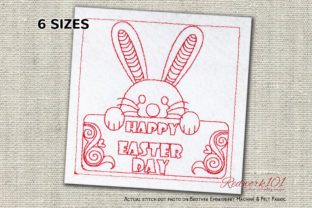
The moment I loaded the digital embroidery file and saw the preview, the vibe was unmistakable. The title suggests a classic aesthetic, and the redwork style delivers exactly that. It feels rustic, farmhouse-inspired, and undeniably festive without being overly cluttered. In a sea of colorful, saturated designs, a single-color line art approach offers a sophisticated minimalism that appeals to buyers looking for premium handmade products. The "Happy Easter Day" text combined with line art imagery creates a balance between a clear holiday message and decorative art. For a weekend market, this clarity is crucial. Customers walking past a booth have seconds to decide if something catches their eye. The high contrast of red thread against natural or white fabric ensures this design is readable from three feet away, a key factor for booth display strength.
Product Versatility and Sales Potential
When evaluating where Happy Easter Day Redwork shines, I tested it across various substrates. The versatility of this embroidery file is its strongest asset for commercial embroidery.
- Tote Bags and Market Bags: This is likely the highest volume seller. A large format of the design centered on a canvas tote makes a statement. The redwork style looks incredibly chic on natural cotton, appealing to the eco-conscious shopper.
- Apron Embroidery: Placed on the bib of a kitchen apron, this design transforms a utility item into a seasonal gift. It feels personal and thoughtful, perfect for last-minute shoppers.
- Tea Towel Embroidery: Kitchen linens are staples at spring fairs. The linear nature of redwork complements the weave of flour sack towels beautifully, avoiding the stiffness that dense fill stitches can cause.
- Embroidered Patches: Creating iron-on patches allows for a low-cost entry point for customers. These can be displayed in a jar near the register for impulse buys.
- Caps and Pouches: While viable, these require more caution. The curved surface of a cap can distort long lines of text, and small pouches limit the design size, potentially reducing legibility.
For an Etsy seller, this design also photographs exceptionally well. The clean lines create sharp printable mockup images that look professional in online listings. Whether used for a small shop product line or a large batch of finished goods, the visual consistency helps build brand recognition.
Production Practicality and Batch Efficiency
From a production standpoint, time is money. One of the most appealing aspects of Happy Easter Day Redwork is its potential for speed. Redwork typically utilizes running stitches rather than heavy satin or fill stitches. This means less thread consumption, fewer trims, and significantly faster run times per unit. For a craft fair vendor needing to produce fifty tote bags in two days, this efficiency is a game-changer. The design appears repeatable for batch production without causing excessive machine wear or thread breaks, provided the tension is set correctly.
However, simplicity can be deceptive. Because there are no large fill areas to hide minor imperfections, the quality of the stitch-out must be pristine. Any bird nests or loose threads will be immediately visible against the clean background. This demands high attention to detail during the hooping and trimming process.
Critical Considerations for Execution
While the design is strong, there are technical hurdles to navigate to ensure the finished product meets professional standards.
- Fabric Texture: On textured towels or thick canvas, fine lines can get lost. It is essential to test the design on the exact fabric you intend to sell. What looks crisp on smooth quilting cotton might look jagged on a waffle-weave towel.
- Thread Contrast: The success of redwork relies entirely on contrast. Using a dark red on black fabric will render the design invisible. Stick to light or neutral backgrounds for maximum impact.
- Small Lettering: If the "Happy Easter Day" text contains small details, verify that they do not merge together when stitched out at smaller sizes. Reduce the design to patch size and check if the letters remain distinct.
- Stabilizer Selection: Even with light stitching, using the right stabilizer is non-negotiable. On stretchy fabrics like jersey for t-shirts, a cut-away stabilizer prevents distortion over time. For woven towels, a tear-away might suffice, but testing is required.
Enhancing Visual Appeal and Buyer Engagement
The ultimate goal is to increase product value and buyer engagement. Happy Easter Day Redwork achieves this by offering a timeless look that transcends fleeting trends. It signals "handmade quality" because the viewer can appreciate the precision of the line work. When arranged on a booth table, mixing items with this design—such as placing an embroidered pillow cover next to a matching tote—creates a cohesive collection that encourages multiple purchases. It strengthens the overall booth display, making your brand look curated and professional.
Final Designer Notes and Checklist
Before committing to a full production run, every serious creator should follow a strict validation process. Do not assume the hoop size fits your specific machine frame without checking the file details. Since the product description notes multiple formats, ensure you select the one that matches your hoop capacity.
Here is my recommended checklist before selling:
- Test on Scrap: Always stitch a sample on the actual fabric intended for sale.
- Check Thread Colors: Ensure the red hue pops against your specific fabric dye lot.
- Review Spacing: Confirm that elements of the design do not crowd each other.
- Inspect Stitch Density: Verify that the running stitches are not too sparse, which could look skimpy, or too dense, causing puckering.
- Create a Real Mockup: Photograph the physical item, not just the digital file, for your marketing assets.
- Confirm Licensing: Crucially, review the license terms included with the design assets. Ensure you have the rights for commercial embroidery and selling finished physical goods.
In conclusion, Happy Easter Day Redwork is a robust contender for the spring season. It balances aesthetic charm with production efficiency. By paying attention to fabric choices and technical execution, this design can become a cornerstone of your craft fair inventory, driving sales through its clean, classic, and highly visible appeal.