Hot Bull: A Bold Embroidery Review for Boutique Sweatshirts
As an embroidery designer who has spent years digitizing and stitching for small clothing brands, I approach every new machine embroidery design with a critical eye. It is not just about whether the file runs; it is about whether the finished product elevates a brand. Recently, I evaluated the Hot Bull design for an upcoming limited drop of premium sweatshirts. This piece falls under the Farm Animals category, but do not let that classification fool you into thinking it is purely rustic or agricultural. In the context of modern streetwear and cozy seasonal apparel, this design carries a punchy, energetic vibe that translates exceptionally well to custom apparel.
First Impressions and Design Personality
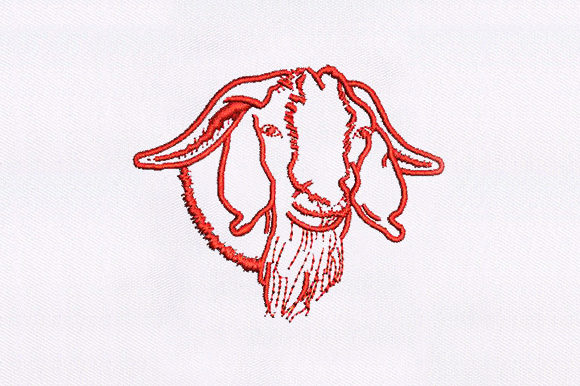
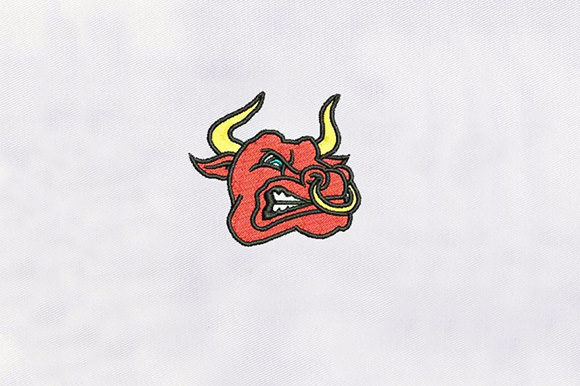
When I first loaded the digital embroidery file into my simulation software, the immediate impression was one of boldness. The title "Hot Bull" suggests heat, energy, and perhaps a touch of attitude, and the layout reflects this perfectly. Unlike some generic animal motifs that can feel flat or overly cartoonish, this design appears to have a strong stitching personality. It balances detail with readability, which is crucial when scaling a design for different garment types.
For a boutique brand, visual recognition is everything. The Hot Bull offers a distinct silhouette that works as a logo-style centerpiece. Whether you are aiming for a playful aesthetic or something more minimal and decorative, the design's structure allows it to adapt. It does not scream "farm equipment"; instead, it feels like a contemporary graphic suitable for a lifestyle brand targeting creative entrepreneurs and fashion-forward customers.
Visualizing Hot Bull on Various Fabrics
The true test of any embroidery file is how it interacts with fabric texture. For this project, I imagined applying Hot Bull across a range of sweatshirt materials. On neutral sweatshirts, such as heather grey or oatmeal, the design pops with a clean, crisp contrast. The stitch definition stands out against the slightly napped surface of French terry or fleece, giving the finished product a high-end, tactile feel.
On dark fabric, like charcoal or navy, the design requires careful thread selection. If the original digitizing utilizes light or vibrant thread colors, the result is striking and dramatic, perfect for a night-out hoodie or a statement winter piece. Conversely, placing this on pastel colors softens the mood entirely. A baby pink or mint green sweatshirt featuring the Hot Bull transforms the motif from bold to cute and feminine, expanding its appeal to a wider demographic of Etsy sellers and handmade business owners.
I also considered oversized hoodies, which are currently dominating the market. The scale of Hot Bull seems robust enough to handle a large chest placement without losing integrity. Furthermore, it works beautifully as a sleeve accent or a smaller back-of-neck detail, offering versatility for those looking to create a cohesive collection rather than a single item.
Technical Considerations for Commercial Use
Moving from aesthetics to mechanics, there are several practical concerns any professional must address before running a production batch. The provided file formats are extensive, including 10O, ART, CND, DSB, DST, DSZ, EXP, HUS, JEF, PCS, PEC, PES, TAP, VIP, VP3, and XXX. This compatibility is a massive plus for shops running mixed fleets of machines, ensuring that whether you use Brother, Janome, Bernina, or Tajima, you have a native embroidery file ready to go.
However, since specific technical data like exact stitch count or recommended hoop size was not explicitly detailed in the product metadata, I strongly advise checking these details in your software before production. For sweatshirt embroidery, fabric thickness is a major variable. Thick fleece requires a different approach than lightweight cotton blends. You will likely need a cut-away stabilizer to support the density of the stitches and prevent puckering over time. The stitch density of Hot Bull appears substantial enough to hold up to commercial washing standards, but always run a test stitch-out on your specific fabric blend.
Small-size readability is another factor. If you plan to use this as a left-chest logo on a zip-up jacket, ensure the fine details do not merge together. The design seems to have clear separation between elements, which helps maintain clarity even when scaled down. Always verify the minimum hoop size required to ensure the design fits your intended placement without needing to re-hoop unnecessarily.
Elevating Brand Identity and Product Value
In the world of online retail, particularly for small shop products, the perceived value of an item often hinges on the quality of its embellishments. A well-executed embroidery job signals quality craftsmanship to the buyer. Using Hot Bull on your merchandise can significantly boost buyer trust. It moves the product away from being a generic blank garment to a curated, branded piece of art.
For Etsy listings and social media marketing, the visual impact of this design is a powerful tool. When creating printable mockup previews or lifestyle product photography, the texture of the threads adds depth that printed graphics simply cannot match. This tactile element encourages customer engagement; people want to touch and feel the embroidery. It reinforces your brand identity as a creator who cares about handmade product excellence.
Moreover, the versatility of the Hot Bull design allows for seasonal pivots. It can be part of a rugged autumn collection or a vibrant spring launch depending on your colorway choices. This flexibility maximizes the return on investment for your design assets. Instead of buying a new design for every season, you can refresh your inventory by simply changing the thread palette and garment base.
Final Verdict for Apparel Decorators
After reviewing the potential applications and technical requirements, Hot Bull stands out as a strong contender for commercial embroidery projects. It bridges the gap between novelty and fashion, making it suitable for a wide array of boutique environments. The broad list of supported formats ensures seamless integration into existing workflows, while the design's inherent boldness guarantees it will not get lost on heavy fabrics.
For decorators and designers, the key to success with this file lies in preparation. Select the right stabilizer, test your tension on thick fabrics, and choose thread colors that align with your specific brand narrative. Whether you are decorating for a local shop or shipping globally as an online seller, this design has the capacity to become a signature element of your collection. By treating Hot Bull not just as a file but as a core component of your brand story, you can create apparel that resonates deeply with customers and stands the test of time.
Remember, the difference between a good product and a great one is often in the details. With Hot Bull, you have a foundation for a standout hoodie design or sweatshirt feature that speaks volumes about quality and style. Just ensure you verify the specific machine settings and hoop constraints for your equipment before launching your full production run.