Liner Ship Cap Design: A Pro Review for Embroidery Projects
As an embroidery designer who spends more time hooping fabric than I do sleeping, I am always on the lookout for machine embroidery design files that balance aesthetic appeal with technical reliability. Recently, I came across the Liner Ship Cap Design on Creative Fabrica and decided to evaluate it not just as a digital asset, but as a viable component for real-world commercial projects. In the world of commercial embroidery, a pretty picture on a screen means nothing if it doesn't stitch out cleanly on a textured cap or a stretchy sweatshirt. This review breaks down my honest assessment of this Transportation themed file, focusing on its practical application for handmade products and small business owners.
First Impressions and Visual Mood
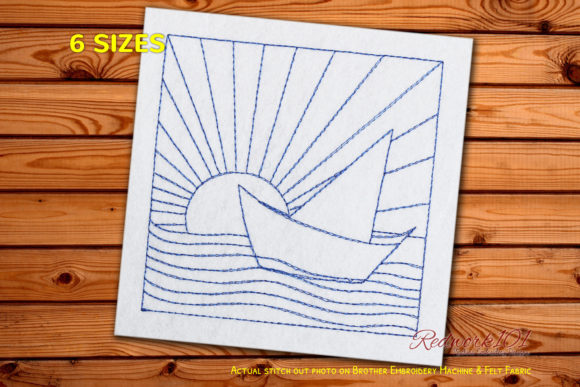
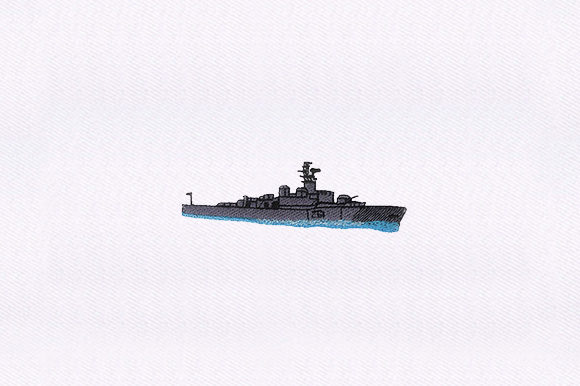
When I first previewed the Liner Ship Cap Design, the immediate takeaway was its strong nautical character. The design captures the essence of maritime travel without feeling overly cartoonish or dated. For designers looking to add a touch of adventure to their portfolio, this embroidery file offers a classic look that fits well within current trends favoring vintage travel and exploration motifs. The line work suggests a thoughtful mix of satin stitch borders and fill stitch areas, which is crucial for creating depth. A design that relies too heavily on dense fills can become stiff, especially on curved surfaces like caps, so seeing a balanced approach in the preview was a promising sign. The decorative appeal here is versatile; it feels at home on a rugged canvas tote just as much as it does on a structured baseball cap.
Performance on Real-World Materials
The true test of any Creative Fabrica embroidery download is how it behaves under the needle on actual customer orders. I mentally ran through several scenarios where the Liner Ship Cap Design could shine. For custom apparel, such as a navy blue hoodie or a crewneck sweatshirt, this design would serve as a striking chest logo. The Transportation category often leans towards masculine or unisex themes, making this ideal for boutique merchandise targeting outdoor enthusiasts.
However, the "Cap" in the title suggests its primary intended use. Embroidering on caps is notoriously tricky due to the curved surface and the thick seams often found in the front panel. If you plan to use this for an embroidered patch or directly on a hat, you must pay close attention to the stitch density. High-density designs can cause puckering on the curved brim area. My advice is to run a test stitch-out on a scrap piece of similar weight fabric before committing to a client's expensive headwear. For items like kitchen towels or aprons, which are usually made of cotton or linen, the design should hold up well, provided you use the correct stabilizer. A cut-away stabilizer is generally safer for items that will undergo frequent washing, ensuring the ship motif remains crisp over time.
Versatility Across Product Lines
One of the strongest assets of the Liner Ship Cap Design is its adaptability. Beyond caps, I can easily envision this graphic enhancing a variety of handmade product lines:
- Tote Bag Design: Perfect for a beach bag or a market tote, adding a travel-ready vibe.
- Nursery Decor: Softened with pastel thread colors, it could work for a baby blanket or wall hanging in a sailing-themed room.
- Personalized Gift: Paired with a name in a complementary font, it makes an excellent gift for a boat owner or a father who loves fishing.
- Pillow Covers: A great accent for coastal-style home decor.
For Etsy sellers and craft fair vendors, having a design that translates well across different substrates is key to maximizing inventory efficiency. You can stitch this onto a sweatshirt embroidery blank one day and a canvas patch the next, effectively doubling your product offerings from a single digital embroidery file.
Technical Considerations for Success
While the design shows promise, there are practical hurdles every embroiderer must navigate. The product description lists a comprehensive range of formats including DST, PES, EXP, JEF, and XXX, which is excellent for compatibility across major machine brands like Brother, Janome, and Bernina. However, format availability does not guarantee perfect sizing for every hoop. Before purchasing, you must verify the hoop size requirements listed on the product page. If the design is large, it might require a 5x7 or 6x10 hoop, which not all home machines support.
Another critical factor is thread color contrast. Nautical designs often rely on blues, whites, and creams. If you are stitching this onto a dark fabric, ensure the design includes enough light-colored elements to pop, or be prepared to edit the color sequence in your software. Conversely, on light fabrics, ensure the outline stitches are dark enough to define the ship's shape. Small details, such as rigging lines or waves, can get lost if the running stitch lengths are too long or if the thread tension is off. Always inspect small details after stitching a test sample.
Furthermore, consider the end-use of the finished product. If you are creating items for children or active adults, the durability of the stitches is paramount. Dense areas can sometimes feel scratchy against the skin, so placing the design strategically on a garment—away from high-friction zones—is a smart move. For textured fabrics like terry cloth towels, a topping stabilizer might be necessary to prevent the stitches from sinking into the pile, which would obscure the fine details of the liner ship.
Impact on Brand Value and Customer Trust
In the competitive landscape of handmade goods, presentation is everything. Using a high-quality, professionally digitized design like Liner Ship Cap Design directly impacts buyer trust. Sloppy stitching or poorly chosen graphics can undermine a brand's reputation, whereas clean, crisp embroidery signals quality craftsmanship. This design has the potential to elevate your product photography; a well-executed ship motif on a neutral background creates a compelling visual story that drives customer engagement.
Consistency is also vital for brand building. If you specialize in travel-themed goods, incorporating this design into a cohesive collection of tote bags, hats, and patches helps establish a recognizable aesthetic. Customers are more likely to return to a shop that offers a curated, professional look rather than a random assortment of clips. Additionally, for those selling digital mockups, this asset can be used to create realistic printable mockup images that showcase how the final item will look, helping to secure sales before the physical item is even stitched.
Final Verdict and Usage Tips
The Liner Ship Cap Design appears to be a solid addition to any embroiderer's library, particularly for those focusing on nautical, travel, or masculine themes. Its strength lies in its thematic clarity and potential versatility across various Embroidery applications. However, success depends entirely on execution. Do not skip the step of testing on scrap fabric. Check the stitch count and density settings in your machine software. Confirm the licensing terms on the Creative Fabrica product page to ensure you are compliant when selling finished items commercially.
By approaching this design asset with a critical eye and a focus on technical precision, you can transform a simple digital file into a best-selling personalized gift or a staple of your custom apparel line. Remember, the best designs are those that not only look good on the screen but stand the test of the needle and thread in the real world.