Sassy Oops Helper Elf: A Pro Review for Business Merch
As an embroidery designer who spends most of my days digitizing logos and prepping files for commercial production, I approach every new machine embroidery design with a critical eye. It is not just about whether a pattern looks cute on a screen; it is about how it performs on a cap, how it holds up on a washed apron, and whether it elevates a brand's identity. Recently, I evaluated the Sassy Oops Helper Elf for potential use in small business merchandise and branded patch applications. This review breaks down its viability for apparel decorators, Etsy sellers, and boutique owners looking to add festive flair to their product lines.
First Impressions: Personality and Brand Fit
The title alone suggests a specific vibe: playful, slightly mischievous, and undeniably human. In the world of brand identity, perfection can sometimes feel sterile. A design named Sassy Oops Helper Elf immediately signals approachability. For a local bakery, a creative studio, or a pet brand, this kind of personality is gold. It tells customers that the business doesn't take itself too seriously and values humor alongside quality.
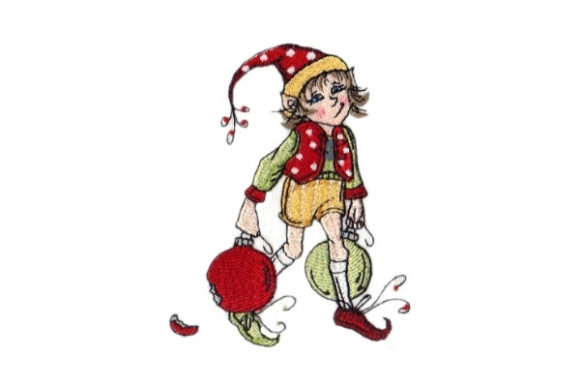
Visually, based on the description of enjoying winter holidays, this digital embroidery file likely features bold lines and expressive character work. For business use, this is crucial. Designs that rely on tiny, intricate details often get lost when scaled down for a chest logo or a hat front. A "sassy" character usually implies strong outlines and clear facial expressions, which translate exceptionally well into an embroidered patch or a direct-to-garment accent. It feels less like a generic holiday clipart and more like a mascot that could become part of a company's visual language.
Real-World Applications for Small Business Merch
When considering where to deploy the Sassy Oops Helper Elf, the possibilities for small business merch are extensive. Here is how this design could function in a commercial setting:
- Staff Uniforms and Aprons: For a coffee shop or florist during the holiday rush, placing this design on the corner of an apron embroidery project adds instant seasonal spirit without overwhelming the uniform. It serves as a conversation starter between staff and customers.
- Branded Patches: This is perhaps the strongest use case. Creating a limited-run embroidered patch featuring the elf allows businesses to sell low-cost add-ons or include them as free gifts with purchase. Patches are versatile and can be ironed onto jackets, tote bags, or hats later.
- Cap Embroidery: The front panel of a baseball cap is prime real estate. If the design scales well, it makes for an excellent cap embroidery element. It transforms a standard uniform hat into a collectible item.
- Tote Bag Design: Retail boutiques often need unique tote bag design elements for holiday shopping bags. A large-scale version of this elf could serve as the main graphic, turning a utility item into a piece of handmade product art.
- Customer Gifts: Handmade brands on Etsy can use this Christmas themed asset to create exclusive ornaments or textile tags that enhance the unboxing experience.
Technical Considerations and Production Challenges
While the charm of the Sassy Oops Helper Elf is evident, a professional must address the technical realities of commercial embroidery. Not every design works on every surface. Here are the areas where caution is required:
Scale and Detail: If you intend to use this as a small patch (under 2 inches), you must verify the stitch density. High-density fills can cause puckering on small items, and fine details like the elf's eyes or mouth might merge together if the resolution isn't sharp. Always request a test stitch-out before committing to a large run.
Fabric Texture and Color: Dark uniforms present a challenge. If the design relies on light thread colors without a proper underlay or backing, the dark fabric can show through, making the image look muddy. Similarly, textured fabrics like heavy canvas totes or corduroy caps require a cut-away stabilizer to prevent the design from sinking into the weave. The "sassy" expression needs to remain crisp, not distorted by the fabric grain.
Curved Surfaces: Applying this to the front of a structured cap requires careful hooping. If the design has wide horizontal elements, it might distort on the curved crown. It is essential to check if the digitizing accounts for pull compensation on curved surfaces.
Impact on Customer Trust and Engagement
Incorporating a character like the Sassy Oops Helper Elf does more than just decorate a product; it humanizes the brand. In an era where consumers crave connection, a whimsical, well-executed design fosters customer trust by showing the personality behind the business. It suggests that the owners are creative and attentive to detail.
Furthermore, consistency is key. If this design is used across multiple touchpoints—social media graphics, printable mockup images, and physical design assets like patches—it creates a cohesive visual story. This recognition increases the perceived value of the finished product. A customer is more likely to remember a brand that made them smile with a clever elf design than one that used a generic snowflake.
Professional Designer Notes for Implementation
Before integrating the Sassy Oops Helper Elf into your production workflow, adhere to these practical steps to ensure quality control:
- Test in Monochrome: Before stitching in full color, run a test in black and white thread. This reveals if the design relies too heavily on color changes to define shapes, which can be problematic for certain branding applications.
- Verify Sizing Limits: Confirm the minimum viable size. Does the "oops" text or facial expression remain legible at 1.5 inches? If not, you may need to simplify the design for smaller patches.
- Check Thread Contrast: Ensure your chosen thread colors provide sufficient contrast against your base garment, especially for dark uniforms.
- Inspect Spacing and Density: Look for areas where stitches are too close together, which can cause thread breaks, or too far apart, revealing the fabric underneath.
- Confirm Hoop Size: Verify that the design fits within your available hoop size without requiring excessive re-hooping, which can lead to alignment issues.
- Stabilizer Selection: Match the stabilizer to the fabric weight. Heavy items like tote bags need robust support to maintain the shape of the elf over time.
- Create Client Mockups: Use a printable mockup or digital overlay to show clients exactly how the design will look on their specific merchandise before stitching begins.
- Licensing Verification: The product description notes that the file comes in multiple formats and can be used for projects, but always confirm the specific commercial licensing terms. Ensure you have the right to use the embroidery file for resale or branded merchandise.
The Sassy Oops Helper Elf offers a delightful opportunity for businesses to inject personality into their holiday offerings. With careful attention to technical details like stabilizer choice, sizing, and fabric compatibility, this machine embroidery design can become a standout asset in your custom apparel and merchandise lineup. Whether used as a subtle sleeve detail or a bold patch statement, it has the potential to bring joy to both the maker and the end consumer.