Smiley Frog Face: A Designer's Review for Real Projects
As an embroidery designer who spends countless hours digitizing and stitching out designs for clients, I am always on the lookout for files that balance charm with technical reliability. Recently, I came across the Smiley Frog Face on Creative Fabrica, categorized under Baby Animals. Before committing to a large customer order involving custom apparel or nursery decor, I needed to evaluate whether this digital embroidery file could hold up in a real-world production environment. This review breaks down the visual appeal, technical considerations, and commercial potential of this specific design.
First Impressions and Visual Mood
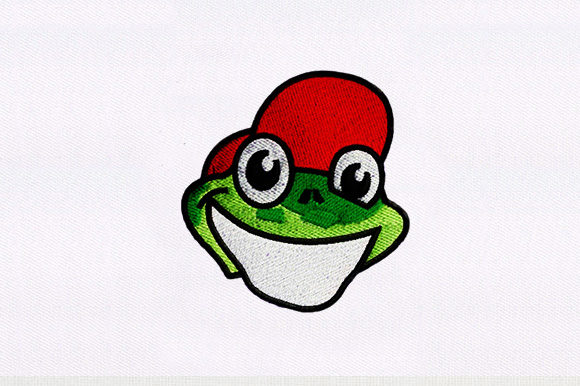
The moment you load the preview of Smiley Frog Face, the immediate takeaway is its playful and approachable personality. In the world of Baby Animals themed Embroidery, it is easy to find designs that feel generic or overly cluttered. However, this design strikes a nice balance. The "smiley" aspect suggests a friendly demeanor, making it an excellent candidate for products aimed at children or those seeking a touch of whimsy in their home decor.
Visually, the design appears to rely on a mix of stitch types to create depth. Typically, a face design like this utilizes satin stitch for the outlines and expressive features like eyes and mouths, while employing fill stitch for the broader areas of the frog's head. There may also be running stitch elements for finer details or texture. The decorative appeal lies in its simplicity; it is not so dense that it becomes a stiff puckered mess, yet it has enough detail to look professional rather than amateurish. For a handmade product, this level of detail is crucial for perceived value.
Performance on Real-World Substrates
The true test of any machine embroidery design is how it performs on actual goods. I evaluated how Smiley Frog Face would translate across various items commonly sold by Etsy sellers and boutique owners.
- Custom Apparel and Sweatshirts: On a cotton blend sweatshirt, this design would shine. The knit fabric provides a soft background that complements the cute nature of the frog. However, one must be mindful of stitch density. If the fill areas are too heavy, they can cause the fabric to pucker, especially on stretchy materials. Using a cutaway stabilizer is highly recommended here to maintain the shape of the smiley face after multiple washes.
- Tote Bags and Aprons: These items usually feature heavier canvas or twill. The Smiley Frog Face would stand out boldly here. The sturdy fabric supports higher stitch counts well, allowing the satin columns to pop without sinking into the weave. This makes it a strong contender for eco-friendly shopping bags or kitchen accessories.
- Caps and Curved Surfaces: Embroidering on a cap is notoriously difficult due to the curved surface and seam interference. If the hoop size required for this design is small enough to fit within the front panel of a standard cap, it could work beautifully. However, careful attention must be paid to registration. If the design has layered details, the curvature might distort the alignment of the eyes or mouth.
- Patches and Applique: If the file supports or is adapted for applique design techniques, this frog face would make an adorable embroidered patch. Patches are a huge trend in commercial embroidery right now. Even as a direct stitch, creating a border around the frog could turn it into a standalone badge for jackets or backpacks.
Technical Considerations for the Professional
Before running this design on a final product, there are several technical factors every designer must verify. The product description lists a wide array of embroidery file formats, including DST, PES, EXP, JEF, and VIP. This compatibility is a significant plus for shop owners who use different machine brands like Brother, Janome, or Bernina. Having access to formats like 10O, ART, and CND ensures that almost no machine is left out.
However, format availability does not guarantee perfect scaling. When working with small hoop sizes, you must ensure the design fits without encroaching on the hoop edges, which can lead to broken needles or skewed images. Additionally, if you plan to stitch this on dark fabric, you need to check the thread colors suggested in the file. A light green frog might disappear against a navy blue background unless the digitizer included a contrasting outline or underlay. Always run a test on scrap fabric of the same weight and texture as your final material.
Another critical area is tiny lettering or minute details. While this specific design focuses on a face, if there are small highlights in the eyes or texture lines on the skin, these can get lost if the thread tension is not perfect or if the stabilizer is insufficient. For items that need frequent washing, such as baby blankets or kitchen towels, inspecting these small details after the first wash is essential to ensure longevity.
Enhancing Product Value and Brand Consistency
In the competitive market of handmade goods, the quality of your design assets directly impacts buyer trust. Using a well-digitized file like Smiley Frog Face can elevate the presentation of your finished product. A clean, crisp embroidery job signals professionalism. When customers see consistent stitch quality and appealing visuals, they are more likely to engage with your brand and return for future purchases.
For those selling digital products or printable mockups, this design offers great versatility. You can create printable mockup images showing the frog on various items to gauge customer interest before even stitching a single thread. This helps in building a cohesive brand aesthetic. Whether used for a personalized gift or a line of commercial embroidery products, the cheerful vibe of the frog adds emotional value, making the item more giftable.
Final Verdict and Best Practices
The Smiley Frog Face appears to be a versatile addition to any embroidery library, particularly for those focusing on baby items, spring collections, or whimsical accessories. Its strength lies in its adaptability across different fabrics and its broad file format support. However, success depends on the user's preparation.
To get the best results, follow these practical steps:
- Check Licensing: Always review the license terms on the Creative Fabrica product page. Ensure that your intended use, whether for personal gifts or commercial embroidery sales, is covered.
- Test Stitch Density: Run a test stitch-out to see how the fill and satin stitches interact with your specific thread and fabric combination.
- Optimize Stabilization: Match your stabilizer to the fabric. Use tear-away for stable wovens and cut-away for knits or stretchy materials to prevent distortion.
- Verify Hoop Requirements: Confirm the exact dimensions needed to ensure it fits your available hoops, especially for smaller items like caps or pockets.
By approaching Smiley Frog Face with a critical eye and proper preparation, embroidery designers and small business owners can leverage this asset to create high-quality, engaging products that resonate with customers. It is a solid choice for adding a touch of fun to your custom apparel and home decor lines.