Unique Numbers: A Designer's Review for Personalized Gifts
As an embroidery designer who spends countless hours digitizing and testing files for real-world applications, I approach every new machine embroidery design with a critical eye. Recently, I had the opportunity to test Unique Numbers, a versatile digitization intended for personalized gift products. My goal was simple: determine if this file holds up under the pressure of customer orders for a busy gift shop or an Etsy storefront. The first impression of Unique Numbers is one of understated charm. It strikes a delicate balance between playful and classic, making it an ideal candidate for projects that require an emotional touch without feeling overly trendy or dated.
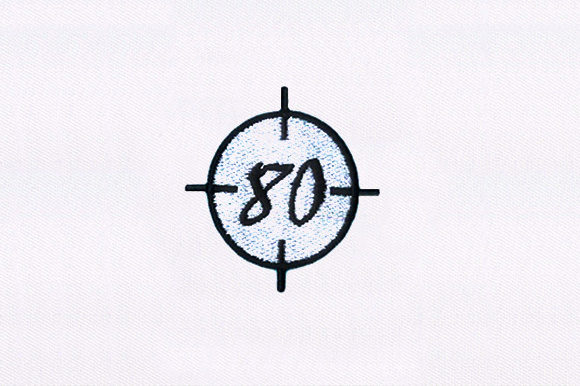
The mood of this design is inherently sweet yet elegant. When loaded into my editing software, the stitch paths looked clean, suggesting a thoughtful approach to stitch density. For those of us creating handmade products, the difference between a design that looks "digitized" and one that looks "embroidered" often comes down to how well the stitches mimic handwork while maintaining machine precision. Unique Numbers leans towards a handmade aesthetic, which is exactly what modern buyers are seeking when they purchase a personalized gift. Whether it is for a baby shower or a wedding anniversary, the emotional appeal of seeing a specific number stitched onto fabric creates an instant connection.
Real-World Applications for Custom Orders
In my hypothetical scenario, imagine a customer walking into your shop—or messaging you online—requesting a meaningful keepsake. They might want a baby blanket embroidered with a birth date, a kitchen towel featuring a house number, or a pillow cover commemorating a wedding year. This is where Unique Numbers truly shines. Because the design is described as suitable for creative projects and surprise parties, its versatility is its strongest asset.
For baby embroidery, this design would look adorable on a receiving blanket or a nursery wall hanging. Parents love items that mark milestones, and a cleanly stitched number adds a layer of sophistication to standard baby gear. Similarly, for wedding gift ideas, incorporating the wedding date or table numbers into linens using this file adds a bespoke touch that mass-produced items simply cannot match. I can easily envision this working beautifully on an embroidered towel set for a new home, a custom tote bag for a bridesmaid, or even an apron for the culinary enthusiast in the family.
If you are an Etsy seller or a small business owner, the ability to offer custom embroidery quickly is vital. Unique Numbers allows you to create product photography that tells a story. A mockup showing this design on a textured linen pillow cover or a soft cotton blanket can significantly boost buyer engagement. The perceived value of the finished product increases because the customer sees their specific data transformed into art. This fosters trust; when a client sees high-quality digitization in your portfolio, they trust you with their most sentimental projects.
Navigating Fabric Challenges and Technical Details
However, no review is complete without discussing the technical hurdles. While Unique Numbers appears robust, certain fabrics require extra caution. If you are stitching on textured fabric like waffle weave towels or thick terry cloth, you must ensure the design does not get lost in the pile. Small details and delicate curves in number fonts can sometimes disappear if the fabric texture is too aggressive. In these cases, I recommend using a cut-away stabilizer rather than tear-away to provide a solid foundation and prevent the stitches from sinking.
Another consideration is stretchy material. If a customer requests this design on a baby onesie or a stretchy t-shirt within the Clothing category, you must stabilize the area thoroughly to prevent distortion. Numbers, by their nature, have specific geometric requirements; if the fabric stretches during wear or washing, a "0" might look like an "8," or a "3" could become misshapen. Always test on scrap fabric that matches the weight and stretch of your final project. Additionally, when working on dark fabrics, pay close attention to thread colors. You may need to adjust the underlay or choose a slightly thicker top thread to ensure the numbers pop against the background without causing puckering.
Curved surfaces, such as the pocket of a hoodie or the corner of a tote bag, also present a challenge. Hooping correctly is essential. Since the product description mentions the design comes with multi-size options (implied by "comes with multi"), you should select the hoop size that best fits your item without forcing the fabric. Never force a large hoop onto a small, curved area, as this can lead to registration issues where the design does not line up correctly.
Maximizing Value for Your Small Shop
From a business perspective, integrating Unique Numbers into your catalog can streamline your workflow. Instead of digitizing numbers from scratch for every order, having a reliable digital embroidery file ready to go saves hours of work. This efficiency allows you to focus on customer service and marketing. When listing these items, use terms like "commercial embroidery" carefully. You must confirm the licensing terms provided with the file before selling finished products. Some designers allow unlimited sales of finished goods, while others have restrictions. Always verify this to protect your small shop product line.
To maximize the visual impact, compare light and dark fabric mockups before committing to a production run. A printable mockup can help you visualize how the Embroidery will sit on different backgrounds. Check small details after stitching your test sample. Are the connections between stitches tight? Is there any bird-nesting on the back? These quality control steps ensure that when the customer receives their personalized gift, it feels premium and durable.
- Test on scrap fabric: Always run a test stitch-out on the exact material you plan to use for the final order.
- Check thread color contrast: Ensure the numbers are legible and aesthetically pleasing against the base fabric.
- Confirm hoop size: Select the appropriate frame to avoid fabric distortion, especially on smaller items.
- Review stitch density: Adjust if necessary for thick towels or delicate silks to prevent puckering.
- Use proper stabilizer: Match the stabilizer type to the fabric weight and the item's intended use (e.g., frequent washing).
- Verify licensing: Confirm commercial rights before selling items made with this design.
In conclusion, Unique Numbers offers a charming and practical solution for creators looking to expand their personalized offerings. Its adaptability makes it a strong contender for everything from blanket embroidery to custom apparel. By paying attention to fabric choices, stabilization techniques, and licensing details, you can turn this simple design into a cornerstone of your custom gift business. It is a reminder that sometimes, the simplest elements—like a single number—can carry the most weight when executed with care and precision.